How to Manage Budget Overruns for Foyers: Cost Guide (2026)
Budget overruns are the most common source of renovation stress, and foyers are no exception. The good news is that most overruns come from a short list of predictable causes. Anticipate them and you can keep a foyer project on budget. Here is how.

Why foyer projects go over budget
Overruns rarely come from the visible materials. They come from what you find after demolition — a damaged subfloor, old wiring, moisture problems — and from mid-project changes. Both are manageable with a contingency and clear decisions up front.
How to prevent overruns
- Set a contingency. Reserve 10 to 20 percent of the budget for surprises. On older homes, lean toward 20.
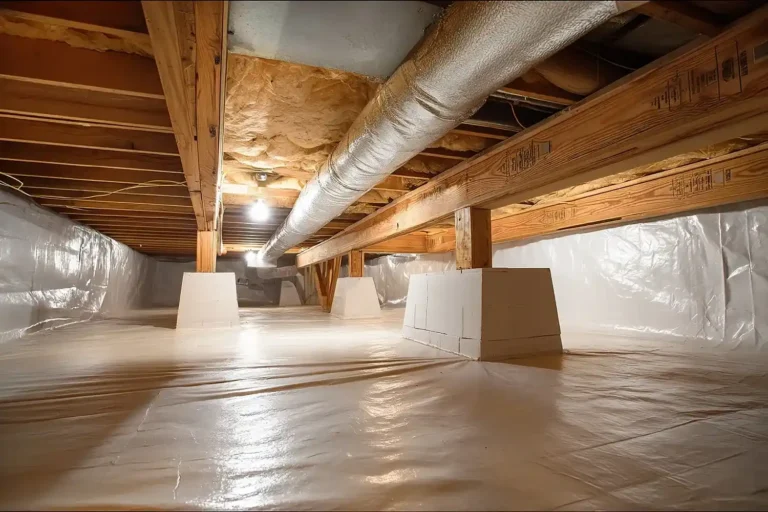
- Inspect before you commit. Check the subfloor, wiring, and moisture history so fewer surprises appear after demo.
- Lock the scope. Decide finishes and layout before work starts. Mid-project changes (“change orders”) are where budgets explode.
- Get detailed quotes. A line-item quote makes it obvious when something is being added, and keeps the contractor accountable.
- Prioritize. Know which elements are must-haves so, if costs rise, you cut the right things.
What to do when you are already over
If costs climb mid-project, pause and re-prioritize instead of pushing through. Protect the items that affect durability and safety (prep, waterproofing, electrical) and trim decorative extras. It is easier to add a nicer mirror later than to redo a floor.
Common mistakes
- No contingency, so any surprise becomes a crisis.
- Approving change orders without checking the cost impact.
- Cutting prep and safety work to recover money — the most expensive place to save.
Cost reference
Use the ranges below to build a realistic baseline before adding your contingency.
Frequently asked questions
How big should a renovation contingency be?
10 to 20 percent of the budget. Older homes with unknown conditions should use the higher end.
What causes most renovation overruns?
Hidden conditions found after demolition and mid-project change orders. Both are reduced by inspecting first and locking the scope.
Should I keep going if I am over budget?
Pause and re-prioritize. Protect durability and safety work, and trim decorative extras you can add later.
Further Reading & Sources
- This Old House — renovation cost guides and how-tos.
- National Association of Home Builders (NAHB) — construction standards and cost trends.
- U.S. Dept. of Energy — Energy Saver — insulation and efficiency guidance.