How to Avoid Thermal Bridging in Foyer Entries (2026 Guide)
The foyer is where the outside meets the inside, and it is often the coldest, draftiest room in the house. A big reason is thermal bridging — heat escaping through framing, thresholds, and poorly insulated door assemblies.
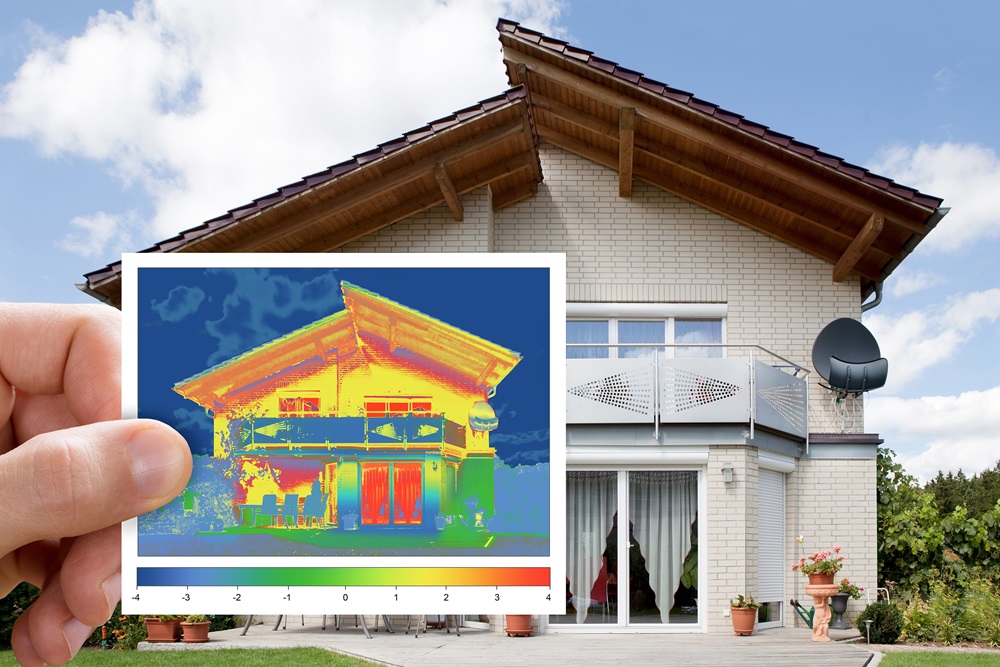
What thermal bridging actually is
A thermal bridge is any material that conducts heat straight through the wall or floor, bypassing insulation. Steel lintels, concrete slabs at the threshold, and continuous wood framing all carry heat out and cold in. In a foyer, that shows up as cold floors, condensation, and higher heating bills.
Where foyers lose the most heat
- The threshold/slab edge — an uninsulated slab at the door is a major bridge.
- The door frame and rough opening — gaps stuffed with nothing but framing.
- Sidelights and transoms — single-glazed or poorly sealed glass.
- Cantilevered or bump-out entries — floors exposed to outside air below.
How to fix and prevent it (step by step)
- Insulate the rough opening. Use low-expansion spray foam around the door frame, not fiberglass stuffing.
- Add a thermal break at the threshold. Insulated sill pans and composite thresholds interrupt the slab bridge.
- Upgrade glazing. Specify double- or triple-glazed sidelights with warm-edge spacers.
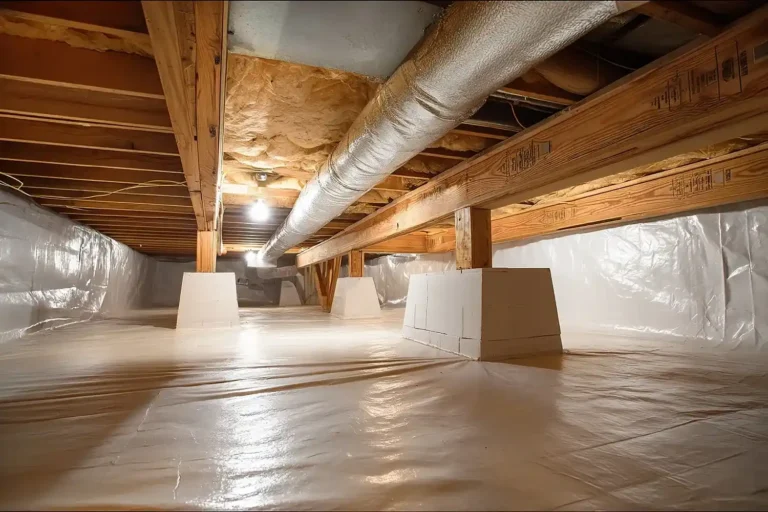
- Insulate below cantilevered floors with continuous rigid foam, sealed at the edges.
- Air-seal first. Much of what feels like a thermal bridge is actually air leakage — seal before adding insulation.
Common mistakes
- Adding insulation without air-sealing, so drafts continue.
- Leaving the slab edge exposed at the door.
- Using a beautiful but poorly insulated door with no thermal break.
Frequently asked questions
How do I know if my foyer has thermal bridging?
Cold floors near the door, condensation on frames in winter, and drafts even when the door is shut are classic signs. An infrared thermometer or thermal camera confirms it.
Is thermal bridging worth fixing?
In a cold climate, yes — it improves comfort and cuts heating loss at the home’s biggest exposure point.