Manage Foyer Moisture Issues (2026 Guide)
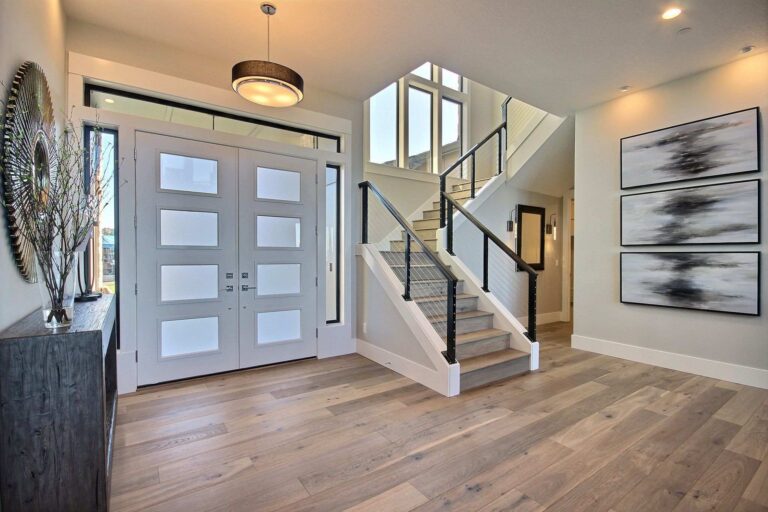
Moisture is the number one killer of entryway floors and finishes. It arrives on wet shoes, seeps in around exterior doors, and hides under flooring until damage shows. Managing it is mostly about prevention, not repair. Here is how to keep a foyer dry and avoid the rot, mold, and lifting that moisture causes.
Where foyer moisture comes from
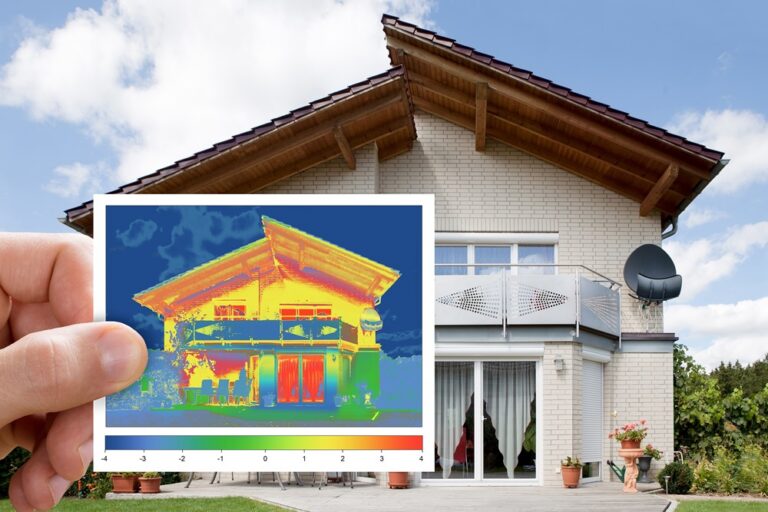
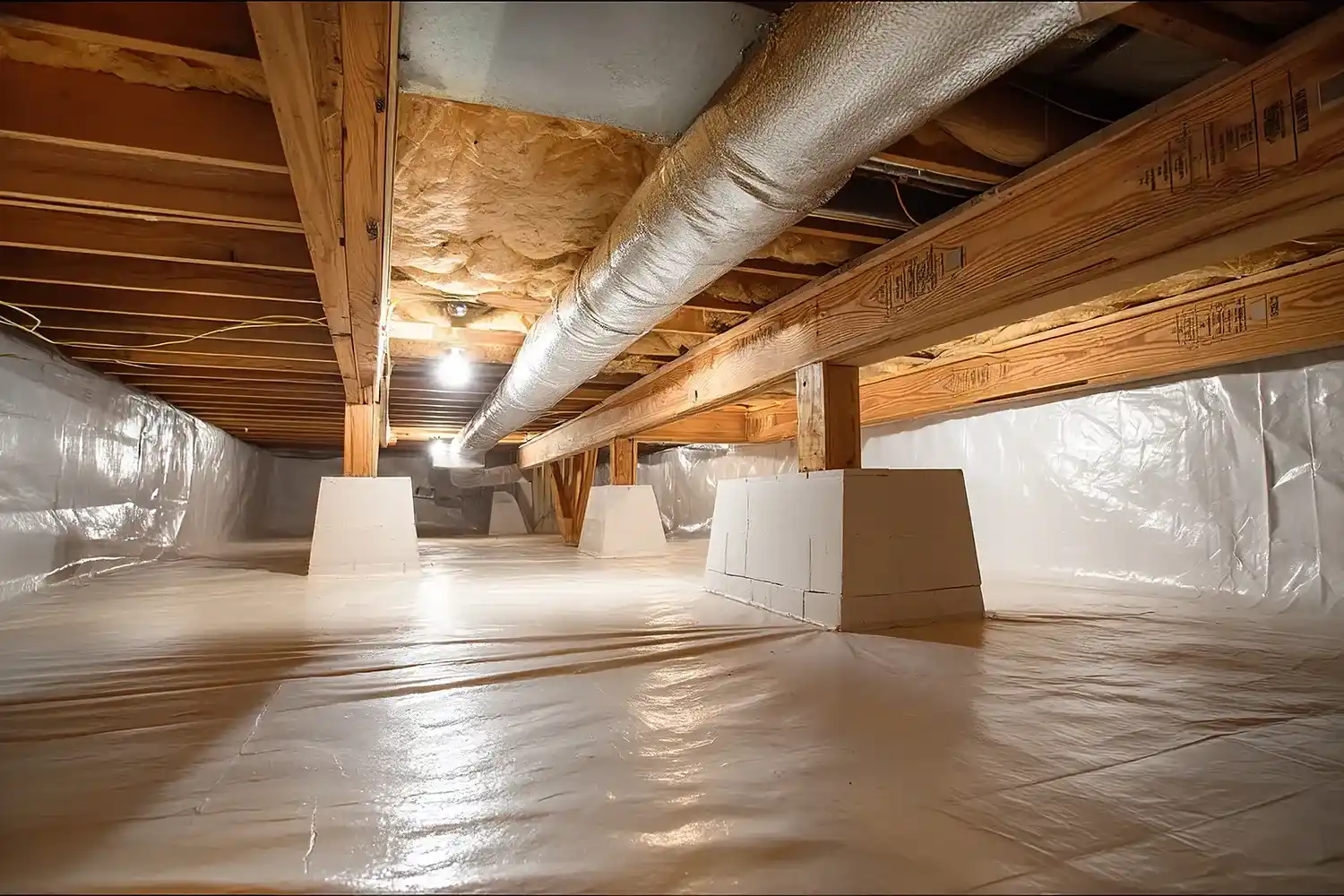
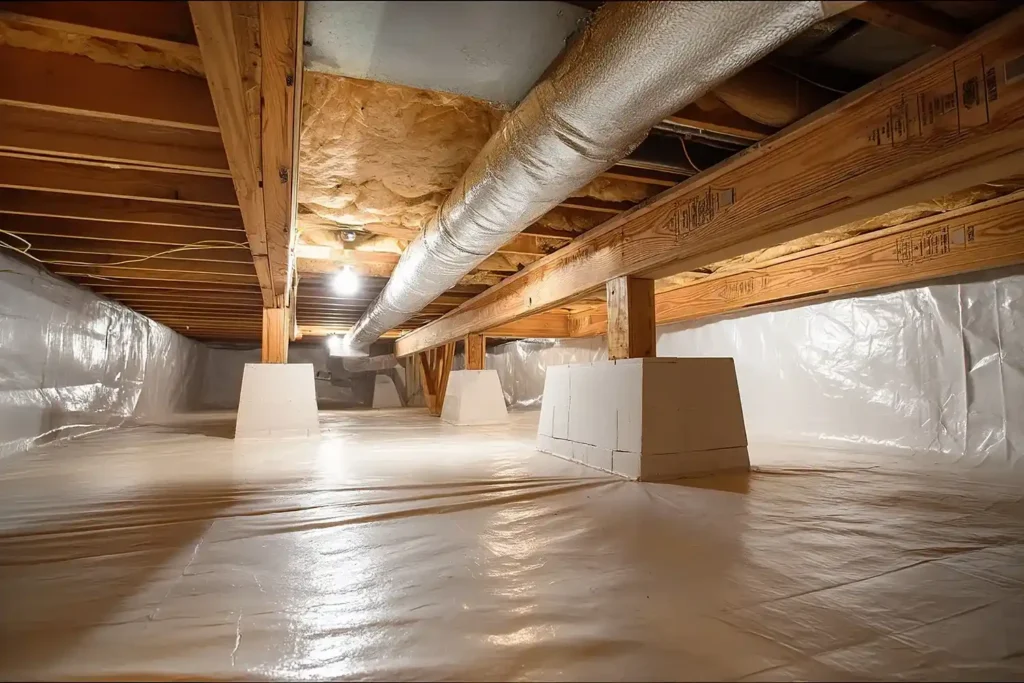
Three main sources: water tracked in on shoes and umbrellas, air leaks and condensation around the exterior door, and — less often — moisture rising through a concrete slab. Each needs a different fix, so the first step is figuring out which you have. Persistent dampness at the threshold points to door sealing; damp spreading from the floor points to the slab or subfloor.
How to control it
- Stop water at the door. A good walk-off mat plus a boot tray catches most tracked-in water before it reaches the floor.
- Seal the exterior door. Fresh weatherstripping and a proper door sweep block both water and the drafts that cause condensation.
- Choose moisture-tolerant flooring. Porcelain tile and LVP shrug off water; wood and porous stone do not.
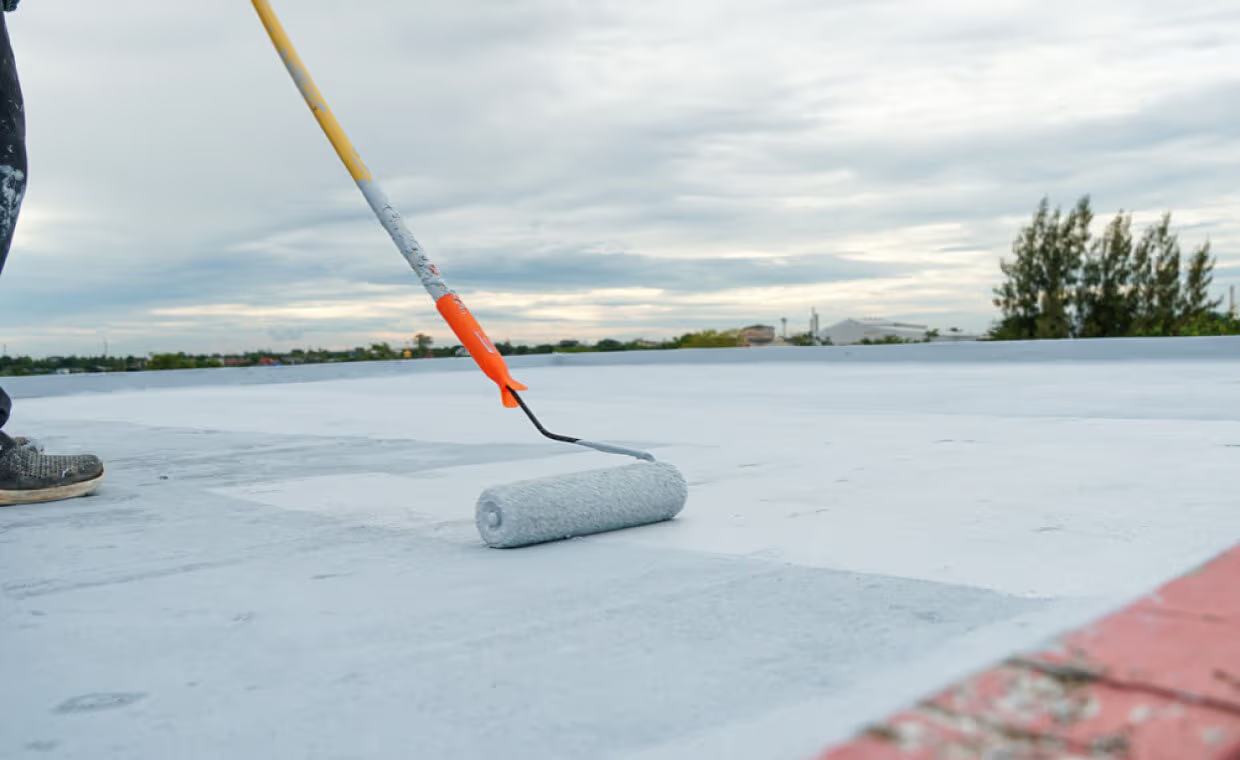
- Add a vapor barrier where needed. Over a concrete slab, a moisture barrier under the flooring prevents damp from rising into the finish.
- Ventilate. Good airflow keeps humidity from lingering and condensing at the cold entry wall.
Signs you already have a problem
- Cupping or lifting floorboards near the door.
- Musty smell or dark staining at the baseboard.
- Peeling paint or bubbling finish at the threshold.
- Condensation on the inside of the door in cold weather.
Fixing existing moisture damage
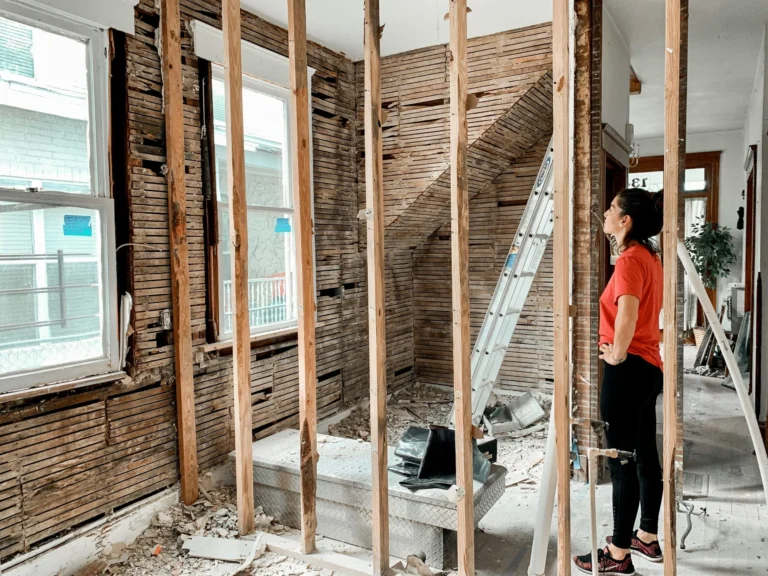
Address the source first — there is no point replacing flooring if water keeps coming in. Reseal the door, fix any slab moisture, then repair or replace the damaged material with a moisture-tolerant option. Skipping the source fix guarantees the problem returns.
Cost reference
Moisture-resistant flooring and prep sit within the ranges below.
Frequently asked questions
Why is my entryway floor always damp?
Usually tracked-in water plus poor door sealing, sometimes moisture rising through a slab. Identify the source before repairing.
What flooring resists moisture best at an entry?
Porcelain tile and luxury vinyl plank. Both are water-resistant and handle a wet entry far better than wood or porous stone.
Do I need a vapor barrier in my foyer?
If the entry sits on a concrete slab, a moisture barrier under the flooring is a smart safeguard against rising damp.
Further Reading & Sources
- This Old House — renovation cost guides and how-tos.
- National Association of Home Builders (NAHB) — construction standards and cost trends.
- U.S. Dept. of Energy — Energy Saver — insulation and efficiency guidance.