Avoid Poor Foyer Waterproofing (2026 Guide)
Poor waterproofing is invisible until it fails — and then it is expensive. In an entryway, where water is a daily visitor, cutting corners on waterproofing leads to rot, mold, and floors that have to be torn out. Here is how to get entry waterproofing right and avoid the common failures.
Why entry waterproofing matters more than most rooms
The entry sees more water exposure than almost anywhere except a bathroom: rain, snowmelt, and mud arrive here first. Yet it is often treated like an ordinary floor. Proper waterproofing at the threshold and under the flooring is what separates an entry that lasts from one that fails in a few seasons.
How to waterproof an entry correctly
- Seal the threshold. The transition between exterior and interior is the most vulnerable point. Proper flashing and sealing keep water from wicking inward.
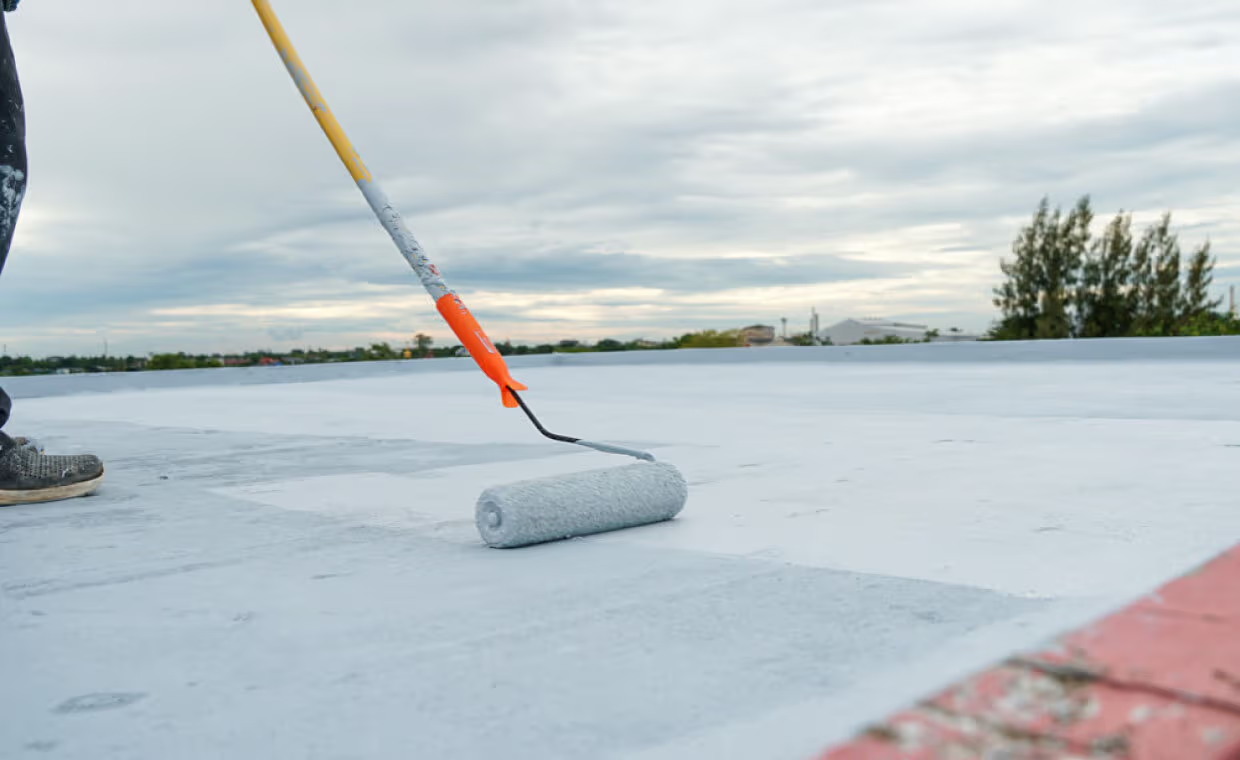
- Use a waterproofing membrane. Under tile, a membrane (liquid-applied or sheet) blocks water from reaching the subfloor.
- Choose low-absorption materials. Porcelain and sealed grout resist water far better than porous options.
- Manage exterior drainage. Ensure water flows away from the door — grading, gutters, and downspouts all matter.
- Seal the door properly. Weatherstripping and a door sweep keep wind-driven rain out.
Common waterproofing failures
- No membrane under tile, so water reaches and rots the subfloor.
- Unsealed grout that lets moisture seep through.
- Poor threshold detailing that wicks exterior water inward.
- Exterior grading that channels water toward the door.
Signs of waterproofing trouble
Watch for soft or spongy flooring near the door, musty odors, staining at the baseboard, and lifting tiles. These usually mean water has already reached the subfloor and the waterproofing has failed.
Cost reference
Waterproofing membrane and prep are part of the installed pricing shown below — and the worst place to cut.
Frequently asked questions
Does an entryway need a waterproofing membrane?
Under tile at a high-moisture entry, yes. A membrane protects the subfloor from water that gets through grout and around the threshold.
What is the weakest point for entry water damage?
The threshold — the transition between outside and inside. Proper flashing and sealing there prevent most problems.
Can I add waterproofing to an existing floor?
Usually only by lifting the flooring, since membranes go underneath. You can improve grout sealing and door sealing without a full redo.
Further Reading & Sources
- This Old House — renovation cost guides and how-tos.
- National Association of Home Builders (NAHB) — construction standards and cost trends.
- U.S. Dept. of Energy — Energy Saver — insulation and efficiency guidance.