Luxury Entryway Flooring America — 2026 Guide
Luxury entryway flooring is not about buying the most expensive stone you can find. It is about choosing a surface that looks genuinely high-end and survives the toughest spot in the house — the door everyone walks through with wet, gritty shoes. Plenty of homeowners spend big on marble and regret it within a winter. This guide covers what actually makes an entry floor “luxury,” which materials hold up, and where the money really goes.
What “luxury” means at the entry
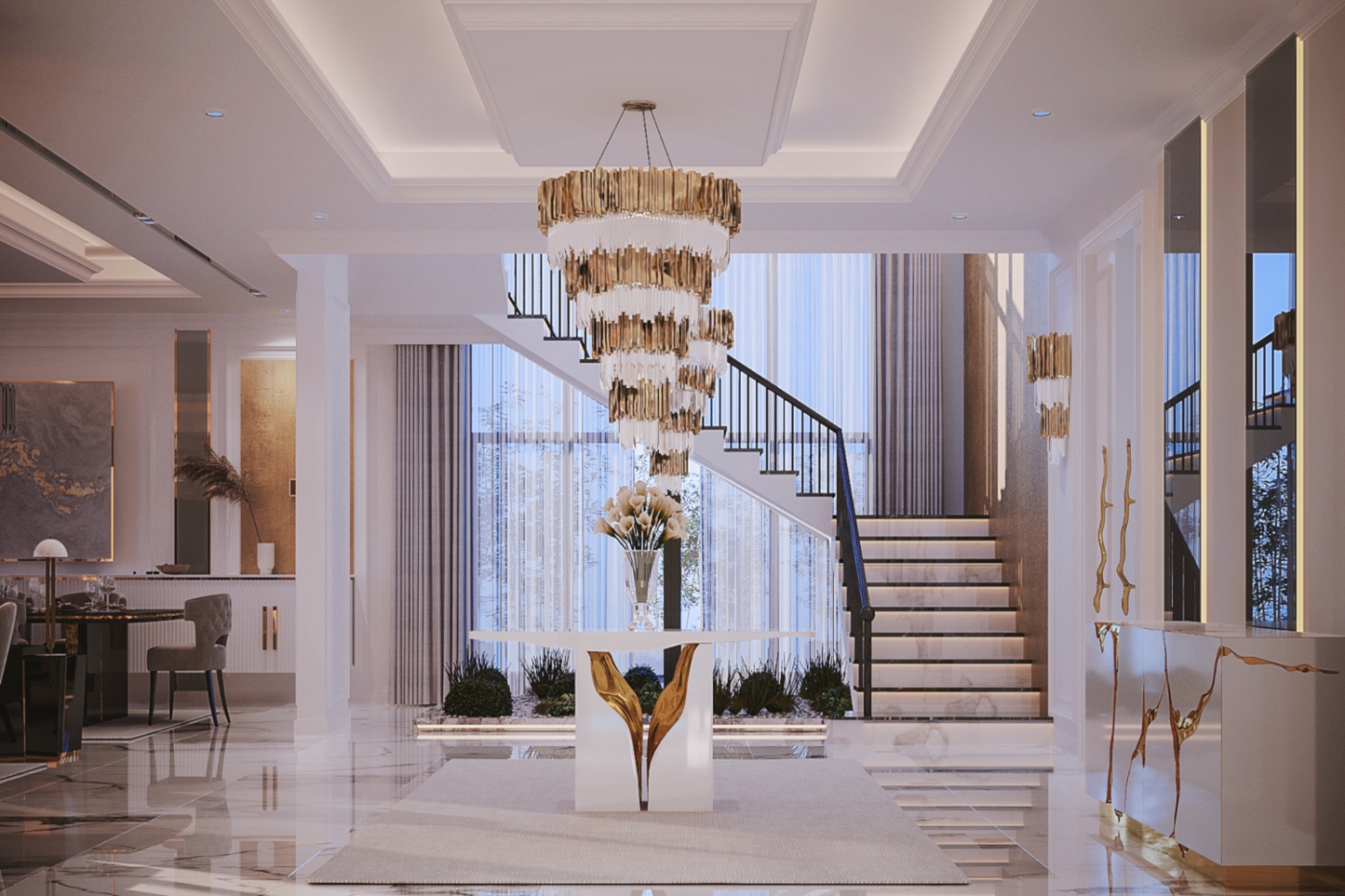
A soft, porous marble can look stunning in a showroom and still fail at a real front door. Road salt etches it, tracked-in water stains it, and grit dulls the polish. True luxury flooring matches the material to the conditions it will face: high traffic, moisture, and abrasion. In other words, longevity and finish quality are part of luxury — not just the price tag. The most impressive entries pair a premium look with a material that still looks premium in ten years.
Luxury materials that actually hold up
Large-format porcelain
The smartest luxury value. Modern porcelain mimics marble, limestone, or wood convincingly, but it is denser, nearly waterproof, and almost maintenance-free. Big tiles mean fewer grout lines and a cleaner, more expensive-looking floor. Choose a honed or textured finish for slip safety.
Honed granite and slate
Natural stone with real durability. Honed (matte) finishes give grip and hide wear better than polished. Both handle traffic well; slate adds texture, granite adds a dense, hard surface that resists scratching.
Sealed marble
The classic luxury look — but the highest maintenance. Reserve it for mild climates or covered entries, use a honed rather than polished finish, and reseal it at least yearly. In snowy regions, salt will damage it no matter how careful you are.
Wide-plank engineered oak
For a warm, upscale feel, wide engineered planks read as luxury and handle humidity better than solid wood. Seal the edges thoroughly and keep a generous mat at the threshold to protect against standing water.
How to get the luxury look without the mistakes
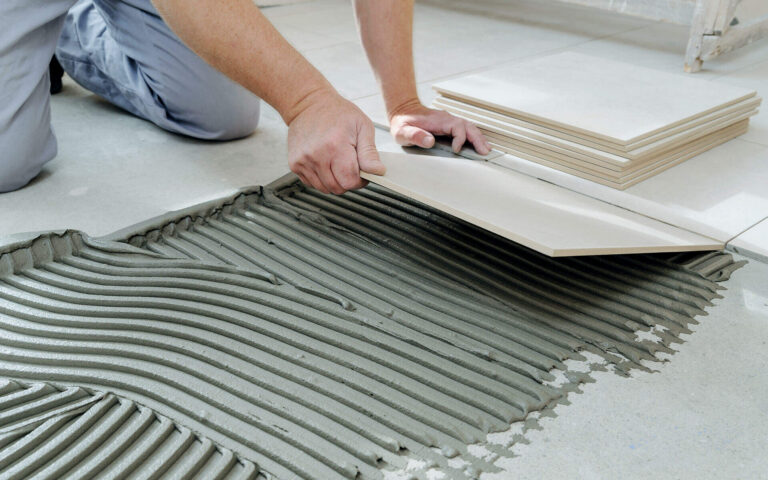
- Prep the substrate properly. A beautiful floor over a poorly prepped or flexing subfloor cracks or lifts within a couple of seasons. This is the single biggest cause of premium-floor failure.
- Choose finish for safety. Polished stone at a wet entry is slippery and dangerous. Honed or textured surfaces look just as rich and are far safer.
- Add a walk-off zone. Even the best floor needs a mat to catch grit and water before they cause wear.
- Match material to climate. Cold and snowy favors porcelain; mild and dry opens the door to stone and wood.
Common luxury flooring mistakes
- Choosing polished, slippery stone at a wet entry.
- Skipping the mat and letting grit scratch the finish.
- Ignoring subfloor prep to save money up front.
- Using marble in a salt-and-snow climate.
What luxury entryway flooring costs
Natural stone and premium tile sit at the higher end of installed pricing. Review the 2026 ranges below before setting your budget.
Frequently asked questions
Is marble a good idea for an entryway?
Only in mild climates or covered entries, and only if you commit to yearly sealing and use a honed finish. In snowy regions, salt will etch it.
What is the most luxurious low-maintenance floor?
Large-format honed porcelain. It delivers a high-end stone or marble look with near-zero maintenance and excellent durability.
Does luxury flooring add resale value?
A durable, attractive entry floor makes a strong first impression that helps resale, but only if it still looks good. A worn premium floor can hurt more than a well-kept mid-range one.
Entryway Flooring Cost by Material (2026)
Below are typical installed price ranges (material + labor) for entryway and foyer flooring in the U.S. Entryways need durable, high-traffic-rated surfaces, so porcelain, stone, and hardwood are common choices. Figures are 2026 estimates and vary by region, subfloor condition, and layout complexity.
| Material | Installed Cost / sq ft | Best for entryways? |
|---|---|---|
| Luxury Vinyl Plank (LVP) | $4 – $9 | Good — waterproof, budget |
| Ceramic tile | $5 – $12 | Good — easy clean |
| Engineered hardwood | $6 – $14 | Fair — seal edges |
| Porcelain tile | $7 – $16 | Best — hardest wearing |
| Solid hardwood | $8 – $18 | Fair — refinishable |
| Natural stone (marble/slate/travertine) | $12 – $25 | Premium — seal for moisture |
Estimated installed ranges, 2026. A typical entryway/mudroom tile job runs about $500–$2,000. Sources: This Old House — Tile Flooring Cost, industry installer averages.
Scenario C: The Minimalist Modern Home. Desired look: Seamless wood floors from foyer to living room. Decision: Implementing a “sacrificial” entry mat or a recessed stone landing zone to arrest debris before it reaches the wood surfaces.
Planning, Capital, and Resource Dynamics
The cost of choosing the wrong floor is not just the price of the material; it includes the catastrophic expense of removing the floor, remediating the underlying substrate, and disrupting the home’s interior finishes.
Tools, Strategies, and Support Systems
-
Substrate Deflection Analysis: Ensuring the subfloor meets the rigidity requirements of the selected flooring material to prevent cracking.
-
Professional Sealing Schedules: Using high-end, penetrating sealers that don’t alter the material’s appearance but provide critical moisture protection.
-
Recessed Floor Mat Systems: Integrating these into the flooring plan is the most effective strategy for preserving the long-term integrity of the foyer surface.
-
Slip-Resistance Testing: Utilizing objective metrics to ensure the surface meets safety codes regardless of its aesthetic finish.
The Risk Landscape: Taxonomy of Material Failure
-
Edge Chipping: Common in brittle stones or tiles if the subfloor is not perfectly flat.
-
Finish Peeling: Occurs when sealants are applied over materials that have absorbed latent moisture, trapped within the material body.
-
Grout Degradation: The weakest point in any tiled entryway; requires high-performance, stain-resistant epoxy grouts for long-term success.
Governance, Maintenance, and Long-Term Adaptation
The foyer floor is a system that requires a stewardship approach. Governance involves establishing a strict cleaning protocol that avoids the use of harsh, abrasive chemical cleaners. Maintenance cycles for sealing must be adhered to as per the material manufacturer’s specifications. Adaptation triggers should be in place: if a specific high-traffic path shows excessive wear, professional honing or refinishing should be scheduled before the damage becomes structural.
Metrics for Tracking Surface Performance
-
Surface Texture Continuity: Tracking the loss of hone or polish in high-traffic patterns.
-
Joint Integrity: Monitoring the condition of grout lines or expansion joints for signs of stress or separation.
-
Stain Absorption Rate: Using qualitative testing to determine if sealants are maintaining their efficacy against liquid ingress.
Deconstructing Systemic Misconceptions
-
Myth: “Luxury flooring is maintenance-free.” Correction: High-performance flooring requires regular maintenance; neglect is the primary cause of material failure.
-
Myth: “Porcelain cannot look like luxury stone.” Correction: High-end, rectified-edge porcelain has achieved a level of mimicry that satisfies even the most discerning architectural standards.
-
Myth: “The subfloor doesn’t matter for stone.” Correction: The subfloor is the most critical component; stone is a rigid material that will crack if the substrate moves even a fraction of an inch.
Ethical and Contextual Considerations
The ethics of material selection involve sustainability and environmental performance. True luxury is not just about the surface but about selecting materials that are extracted responsibly and have a long lifecycle, reducing the waste associated with short-term flooring replacements. Aligning a project with materials that offer high-performance for decades is the most responsible path for both the homeowner and the broader environment.
Strategic Synthesis
Selecting flooring for the American luxury entryway requires a rejection of the superficial. By prioritizing materials with high abrasion resistance, low porosity, and structural compatibility, one creates a threshold that serves as a testament to the home’s durability. This is a process of calibration—balancing the desire for elegance with the cold, physical reality of the foyer’s environment.